We grade against a reference, not a mood board.
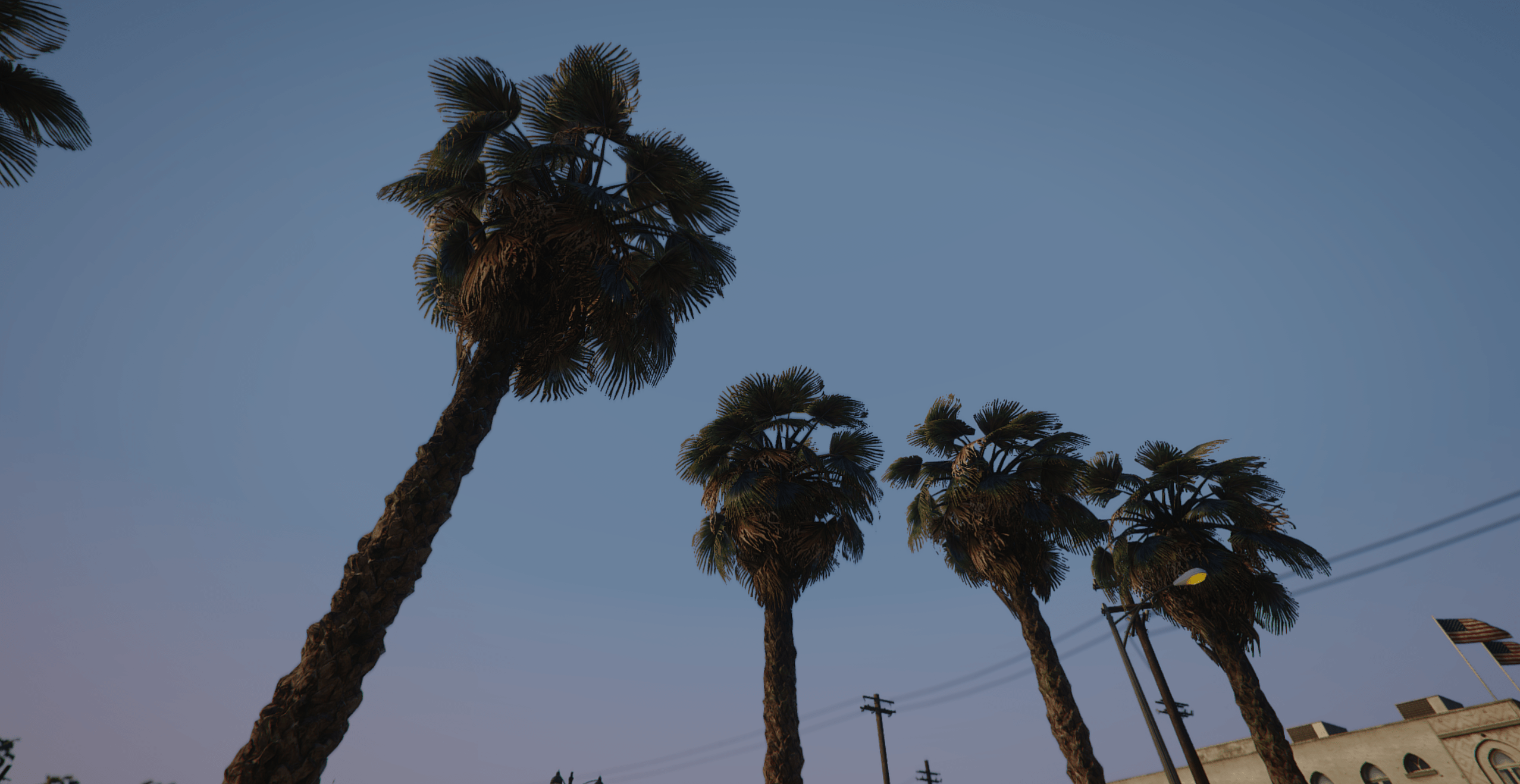
Graphics Hub started as a side project — a single timecycle modifier rebuilt for one screenshot. That screenshot turned into a thread of them, the thread turned into a pack, and the pack turned into the studio. Today, the team is small on purpose. Two graders, one installer engineer, one person who answers email.
Most GTA V graphics work is additive — six shader passes stacked, three LUTs averaged together, a saturation slider pushed to taste. The result reads loud on a thumbnail and falls apart in motion. We build the other way around: one grade, applied consistently, tuned against a calibrated reference. Every release in the catalogue — timecycle, weather, shader, ReShade — lands on the same reference. That’s what lets them stack.
What we don’t ship
Texture packs, asset replacements, gameplay mods, trainers, anything that touches multiplayer. The catalogue is graphics-only on purpose, because the moment you start touching gameplay code you’re asking users to choose between mods that conflict. Graphics work doesn’t have to.
How releases work
Every release is graded against the same reference monitor in the same room. Pre-release builds go to three testers running different hardware so we catch hardware-specific surprises before launch. When something ships, it ships with a written changelog and a rollback path. Mods break sometimes. We build them so they break gracefully.
Who we are
Two colorists, one engineer, one front-of-house. The colorists have backgrounds in commercial post-production. The engineer wrote her own GTA V installer because the existing ones lost too much state on uninstall. The front-of-house person reads every email that comes through [email protected] and replies, usually within a day.